

For many owners of premium residences, a wine collection represents years of patient acquisition. Bottles bought in different decades, from different merchants and sometimes different countries, carry both personal meaning and real financial weight. A thoughtfully planned home wine cellar protects that investment while also becoming one of the most admired spaces in the house. Whether the collection is built for private pleasure or for entertaining at scale, the cellar deserves the same care as any other major feature of the property.
Why a luxury home wine cellar belongs in the original design brief
The most successful cellars are planned at the design stage, not added after the property is finished. Retrofitting a cellar into an existing residence can mean compromised insulation, awkward access, unsuitable ventilation or the loss of space that could have served a more useful purpose. When an architect, interior designer and cellar specialist work together from the beginning, the cellar becomes part of the home’s structure rather than an afterthought.
A home wine cellar should be considered alongside the kitchen, dining room and service areas. The route from cellar to table, the position of a tasting space and the connection to the wine service area all shape how the room is used day to day. Owners who host regularly often find that a well-positioned cellar transforms the flow of an evening.
Temperature and humidity: the non-negotiable foundations
Most serious collectors aim to keep a home wine cellar at a steady temperature of around 12 to 14 degrees Celsius. Stability matters more than hitting one precise number, because repeated temperature swings cause wine to expand and contract, stressing corks and accelerating ageing. Relative humidity is typically kept between 60 and 70 percent, which keeps corks supple and labels intact without encouraging mould.
Domestic air conditioning is rarely adequate for this purpose. A dedicated cooling system designed for wine storage, ideally with a separate circuit and remote temperature and humidity monitoring, is the standard for premium installations. A backup system and an alarm that alerts the owner or property manager to any deviation provide essential protection, particularly in properties that are occupied only part of the year.
Light, vibration and placement within the property
Light, particularly ultraviolet light, degrades wine over time. A proper cellar should be fully enclosed and largely dark, with any lighting controlled and used sparingly. Vibration is an equally important consideration. Lifts, pumps, heavy plant equipment and busy roads can all transmit movement into a cellar, so placement should be chosen with care, away from mechanical systems and high-traffic areas.
Location within the property matters too. Cellars should be kept away from boilers, kitchen heat sources and exterior walls exposed to strong sunlight. For owners with homes in different climates, these considerations vary considerably. A cellar in a Mediterranean residence faces very different summer pressures from one in a cooler northern climate, and the specification should reflect local conditions rather than a generic template.
Design that serves both the collection and the home
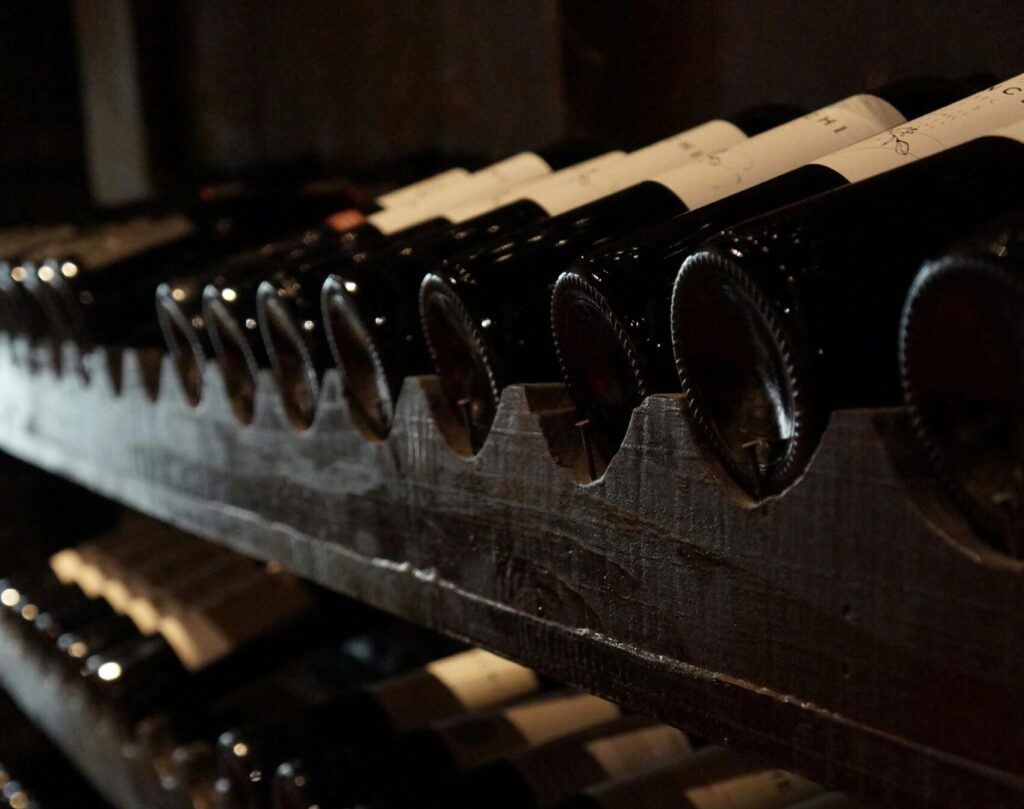
A home wine cellar can be designed in many forms, from a glass-fronted walk-in room with a tasting table to a discreet vaulted space behind a panelled wall. Materials matter. Solid timber racking, natural stone flooring and controlled lighting create an atmosphere that feels considered rather than utilitarian. Bottle storage should be planned around the actual collection, with space for growth, separate zones for different ageing needs and easy access to bottles that are likely to be opened first.
The most rewarding designs make the cellar part of the living experience. A tasting area with a single table and appropriate lighting allows owners and guests to spend time with the collection, and it can double as a private room for small gatherings.
Security, insurance and documentation for a valuable collection
A serious wine collection is a high-value asset and should be protected accordingly. Access control, discreet CCTV at entry points and a secure door are standard expectations. Insurance cover should be reviewed regularly, with an up-to-date inventory supported by photographs, purchase records, provenance documents and independent valuations. Keeping these records in a secure digital system also helps families and advisers manage the collection through succession planning, a consideration that matters increasingly for multi-generational owners.
How a luxury home wine cellar adds to property value
Buyers of premium homes increasingly view a purpose-built cellar as a meaningful feature rather than a decorative extra. A cellar that is properly insulated, climate controlled and integrated into the design can strengthen a property’s appeal, particularly for buyers who entertain or collect. However, value depends on quality. A poorly ventilated storage room with uncontrolled temperature does not add value, and it may create a liability. The cellar rarely recovers its full cost on its own, but a well-executed design supports the broader case for the property as a home built for hospitality and lasting enjoyment.
Working with specialists across your property portfolio
Planning a home wine cellar involves several specialists: architects, climate engineers, cellar builders, insurers and property managers. Coordinating these professionals early avoids costly corrections later. Orion member agencies understand how a cellar fits within a wider property strategy, and they can introduce owners to trusted specialists and help coordinate planning, particularly for owners managing homes in more than one market.
Orion is a global network of independent luxury real estate agencies united by expertise, discretion and deep market knowledge. Each member brings local authority combined with international perspective. To discover how Orion can support your global property strategy, contact us.